Can you have peace when the facts give you every reason to worry? A lost job, an unpaid bill, or a difficult decision can make calm seem impossible. Yet biblical peace is not limited to the days when everything goes well. It is the steadiness God gives his people while trouble is still present.
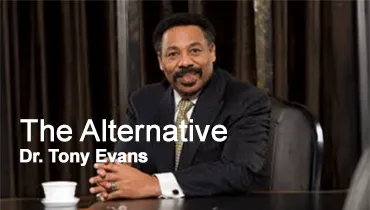
In Footsteps of Peace, Dr. Tony Evans teaches from Ephesians 6:15 that peace belongs among the believer’s spiritual armor. The founder of The Urban Alternative connects this peace with two earlier pieces of armor: truth and righteousness. We learn God’s view of a situation, act on that truth, and depend on him for stability as we move forward.
The message challenges us to stop making peaceful circumstances the condition for a peaceful heart. Through the pictures of an umpire, an acorn, and a submarine beneath a storm, Evans shows what it means to face real problems without letting worry become our normal way of life.
God’s peace does not require you to ignore trouble or pretend that painful facts are unimportant. This sermon explains how peace grows as believers receive God’s truth, obey it, and bring their concerns to him. You will learn how spiritual armor relates to daily decisions and why lasting change must reach deeper than outward behavior.
Paul’s teaching on spiritual armor in Ephesians 6:10–15 calls believers to stand firm in the Lord’s strength. Evans begins here because Christians can become so focused on visible problems that they forget the spiritual resources Christ provides. The goal is not to leave behind what Christ has accomplished when trouble arrives, but to stand in it.
The sermon follows the order of the armor. First comes the belt of truth. Evans describes truth as God-based knowledge: understanding reality from God’s perspective rather than relying only on the information we can gather through our senses.
That does not mean facts are useless or false. A bank balance, a job loss, or a looming deadline can be entirely real. The distinction is that facts alone do not tell us everything about God’s presence, character, or purposes within a situation.
Next comes the breastplate of righteousness. Knowing what God says should lead to doing what God says. Truth directs the decision, and righteousness puts that direction into practice.
Then Paul describes feet fitted with the preparation of the gospel of peace. Evans emphasizes the settled readiness this gives believers. Peace is not an accessory for easy days. It is part of being prepared to stand when life becomes difficult. His book Victory in Spiritual Warfare and the companion teaching series The Armor of God are mentioned in the broadcast; readers can explore ministry resources through The Urban Alternative’s official website.
There is a difference between having no trouble and having peace. Most people can feel calm when nothing threatens them. The deeper question is whether trouble must always take control of the heart.
Evans describes biblical peace this way:
"It's when there is tranquility on the inside despite chaos on the outside."
This peace does not require denying grief, danger, or uncertainty. It means those realities do not have the final authority over our inner lives. A person can recognize that a situation is serious while still depending on God rather than surrendering to panic.
The sermon also connects freedom with knowing truth, echoing Jesus’ words in John 8:32. In that passage, knowing the truth belongs to a life of continuing in Jesus’ word. The point is more than collecting religious information. God’s truth must become the foundation on which we live.
Evans acknowledges that everyone has moments of worry. His challenge concerns what becomes normal: are we learning to return to God, or are we moving from one fear to another without questioning the pattern?
That distinction matters. The message is not a reason to shame someone for feeling anxious. It is a call to recognize worry’s attempt to take control and to respond by seeking God’s perspective. The arrival of a fearful thought does not mean that thought must govern your next step.
In Colossians 3:15, Paul tells believers to let God’s peace rule in their hearts. The surrounding passage concerns the shared life of Christ’s people, including love, forgiveness, and their calling as one body. Evans applies its governing principle to personal decisions as well.
His illustration is a baseball umpire. The umpire makes the call rather than allowing every player or spectator to decide the outcome. In a similar way, peace should have a governing role in the believer’s life.
But Evans places this guidance after truth and righteousness. That order protects against treating any comfortable feeling as God’s approval. A choice that contradicts Scripture does not become right because it feels easy.
When you have sought God’s view and are willing to obey him, an unsettled heart can be a reason to pause. The outward details may appear favorable, yet you may still need to pray, examine your motives, or wait before moving ahead.
Conversely, God’s peace does not guarantee a comfortable assignment. Peace amid difficulty is the very subject of the sermon. The question is not simply whether a decision removes pressure, but whether you can take the next obedient step while resting in God’s care.
Evans next turns to 1 Thessalonians 5:23, where Paul prays that the God of peace will sanctify believers completely and preserve their spirit, soul, and body. Sanctification means God’s ongoing work of making his people holy. It concerns the whole person, not merely public behavior.
The sermon distinguishes this from justification. Justification is God declaring the believer righteous through Christ. Sanctification is the continuing transformation of the believer’s life.
Evans draws an inside-out pattern from the verse’s order: spirit, soul, and body. This is his teaching framework for explaining spiritual growth. He argues that lasting change begins with God’s work within us rather than with attempts to control appearances alone.
He also appeals to 2 Corinthians 5:17, which describes the person in Christ as a new creation. In explaining this new life, he uses the language of a spiritual seed and divine DNA. These are illustrations of God-given life and resources, not claims that Christians become divine.
The soul, in his explanation, includes the mind, emotions, and will. Our inner responses have been shaped by upbringing, personal sin, injuries caused by others, and the messages we absorb. Changing a habit without addressing these deeper patterns may leave its source untouched.
Evans illustrates the limits of outward effort with New Year’s resolutions. A person may try hard to manage behavior yet keep returning to the same reactions. His concern is not effort itself, but effort disconnected from dependence on God.
The sermon also describes how inner distress can affect outward behavior and physical experience. This application should not be treated as a diagnosis of every illness or as a reason to reject appropriate care. Its central point is that God’s peace addresses the inner person, not just the visible symptoms of distress.
How does this inside-out change become practical? Evans says the mind must agree with God’s truth. When worry rises, the believer turns toward what God has said rather than allowing fear to supply the entire interpretation of events.
His example is financial pressure. Someone loses a job and sees no money available for bills. Those facts matter, and faith does not require pretending otherwise. But the person can also remember God’s care, expressed in Philippians 4:19.
That verse comes within Paul’s thanks for the Philippians’ generous partnership in his ministry. It should not be turned into a promise of instant money or freedom from hardship. Evans uses it to direct attention toward God’s provision rather than letting financial fear become the only voice being heard.
The response is not passive. You can face the numbers, take responsible action, and bring your need to God. Trust changes the place from which you act, even before the circumstances change.
This leads to Philippians 4:6–7, which connects prayer, specific requests, thanksgiving, and God’s guarding peace. The instruction about prayer appears in verse 6; verse 7 describes the peace that surpasses understanding.
"The moment that worry pops up, you can't stop it from popping up."
Evans then urges listeners to respond before worry gains control. Name the concern before God. Seek his view in Scripture. Thank him for the resources and care he has provided in Christ, even while you are waiting to see how the situation will unfold.
His acorn illustration makes the point memorable. An acorn carries within it the potential to grow into an oak. Evans uses that picture to emphasize dependence on the life God has already given, rather than acting as though each crisis requires finding an entirely new source of help.
Thanksgiving, then, is not a technique for forcing a preferred outcome. It expresses confidence that God has not abandoned his people and that his peace is available before every question is answered.
Near the end, Evans pictures a submarine moving beneath a storm. The surface is turbulent, but going deeper provides an image of steadiness beneath the turmoil. His spiritual application is clear:
"When your world gets chaotic, that's the time to go deep."
Going deep means turning toward God rather than letting the loudest circumstances set the terms of your life. It means seeking truth, practicing obedience, and praying with thanksgiving. These are not ways to escape responsibility. They prepare us to meet responsibility without making fear our master.
The closing Scripture is Isaiah 26:3, which connects steadfast trust in God with perfect peace. The focus is not confidence in our ability to arrange every detail, but a mind anchored in the One we trust.
The next time worry rises, begin with the real concern rather than a vague demand to feel better. Ask what God’s Word reveals about him and what obedience requires of you. Bring the need to him in prayer, and take the next faithful step without demanding complete control of the outcome.
The shoes of peace are meant to stay on. The central invitation of Footsteps of Peace is to stop waiting for a trouble-free life before learning to rest in God. His truth can steady your thinking, his righteousness can direct your choices, and his peace can sustain you while the storm is still passing.